Tyrus Clayton Joins McGill to Advance Solid Waste Solutions
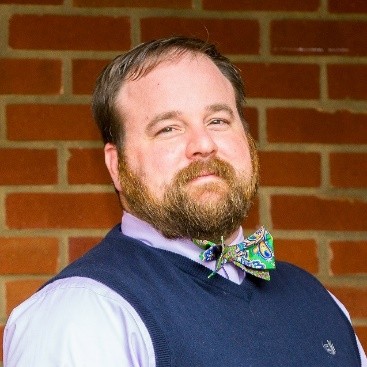 As communities across the country face increasing challenges related to landfill capacity, environmental regulations, and emerging contaminants, experienced leadership has become more important than ever. McGill is proud to welcome Tyrus Clayton as our new Practice Area Leader for Solid Waste Services. He brings more than two decades of industry experience and a commitment to practical, sustainable waste management solutions that help communities meet today's needs and prepare for tomorrow's challenges.
A Career Dedicated to Community Infrastructure
For Tyrus, engineering has always been part of his story.
As a second-generation engineer, he entered the profession through early exposure to his father's work in solid waste engineering. That experience sparked an interest that shaped his career path. After graduating from North Carolina State University in 2000, Tyrus began his career in landfill construction quality assurance (CQA) and quality control and traveled across the East Coast to support landfill projects.
This hands-on experience gave him a deep understanding of waste management infrastructure and its critical role in public health and environmental protection.
Over the next two decades, Tyrus led and supported a wide range of solid waste projects throughout the Southeast, where he developed expertise in landfill design, facility planning, regulatory compliance, and operational improvement. His career includes leadership positions, entrepreneurial experience through a firm he co-founded with his father, and long-standing partnerships with local government clients.
A Familiar Connection to McGill
Tyrus's relationship with McGill began more than 20 years ago.
In 2003, he collaborated with the firm on a project for Catawba County and quickly gained an appreciation for McGill's commitment to local government service.
"I saw firsthand how deeply McGill invested in its clients and communities," Tyrus says. "That commitment has remained consistent throughout the years and was a big part of what attracted me to the firm."
Today, that shared focus on community impact makes McGill a natural fit.
Industry Leadership During a Time of Change
The solid waste industry continues to evolve, and local governments must address increasingly complex challenges.
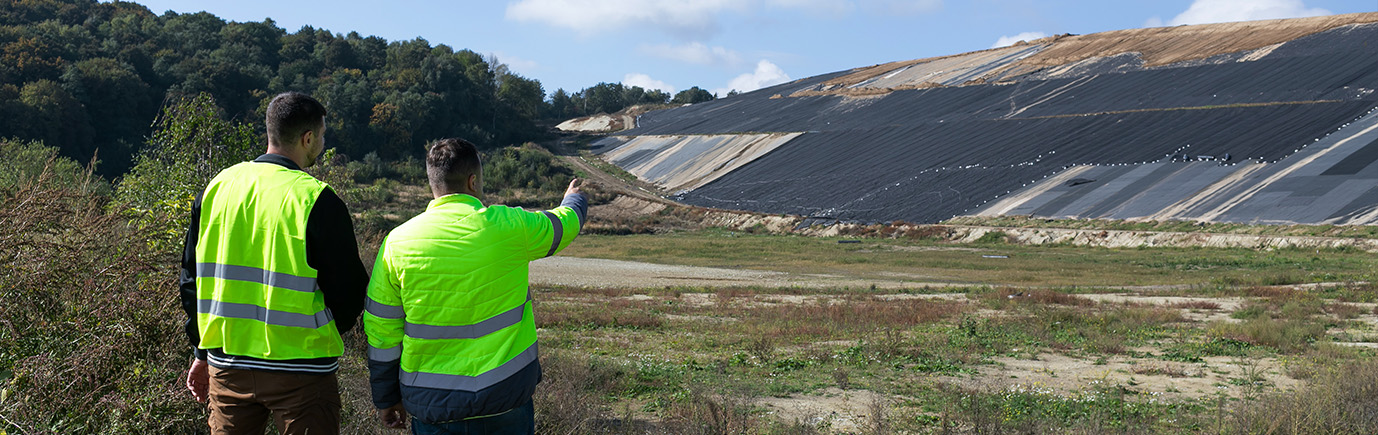
One of the most significant issues is the continued reduction of available landfill capacity. The development of new landfill sites has become increasingly difficult, while expansion of existing facilities often requires communities to overcome political, environmental, and logistical hurdles.
Communities also face increasing concerns about PFAS and other emerging contaminants, particularly in landfill leachate. As regulations evolve, utilities and local governments face greater pressure to monitor, treat, and manage these substances while they balance operational and financial realities.
"Communities need solutions that are both technically sound and practical to implement," says Tyrus. "The key is to understand each client's unique challenges and help them make informed decisions that work today and position them for the future."
It Takes a Multidisciplinary Approach
Tyrus believes the best solid waste solutions result from diverse engineering perspectives.
Rather than limit experience to a single discipline, he encourages team members to bring expertise from areas such as civil / site design, stormwater management, transportation planning, and water and wastewater engineering.
Engineers who gain experience across multiple disciplines often develop a broader understanding of the systems that influence solid waste facilities. That perspective leads to more innovative and comprehensive solutions.
McGill's multidisciplinary capabilities support this philosophy. The firm's expertise extends beyond landfill engineering to include:
- Convenience centers
- Recycling facilities
- Leachate management and treatment
- Traffic circulation and site access improvements
- Erosion and sediment control
- Leachate management systems
- Facility maintenance and operational planning
- Municipal infrastructure and utility coordination
Together, these services enable McGill to deliver integrated solutions that address immediate operational needs and long-term community goals.
A Client-First Philosophy
While technical expertise remains essential, Tyrus believes successful projects begin with active listening.
Every community has unique priorities, operational realities, budget constraints, and public expectations. A clear understanding of those factors is critical to the development of solutions that provide lasting value.
"Every local government is different," he says. "Our job isn't to make decisions for our clients. Our role is to become an extension of their team, help them understand their options, and guide them through complex challenges."
This approach has allowed Tyrus to build client relationships that span decades. One partnership has continued since his first year in the industry, a testament to the trust clients place in engineers who deliver practical solutions and dependable service.
Looking Forward
As he enters this leadership role, Tyrus is focused on strengthening existing relationships and expanding the firm’s capabilities. His vision includes deepening support for current solid waste clients, reengaging industry contacts, learning and preparing for newer technologies and contaminants, and building strategic partnerships that broaden what McGill can offer.
For Tyrus, the work is ultimately about community impact. Well-managed solid waste systems protect public health, support environmental stewardship, and quietly provide an essential service that residents depend on every day. That perspective aligns closely with McGill’s mission of Shaping Communities Together. As Tyrus puts it, “safe solid waste management is something that is going to benefit not just your current residents, but also your future residents for years to come.”