Two Years After Helene: A Story of Progress and Collaboration
Two years ago, Hurricane Helene brought catastrophic flooding to Western North Carolina, leaving communities throughout the region facing unprecedented damage. In the Town of Hot Springs, floodwaters devastated critical water and wastewater infrastructure, disrupting essential services, threatening the community’s drinking water supply, and setting in motion a recovery effort that would continue for years.
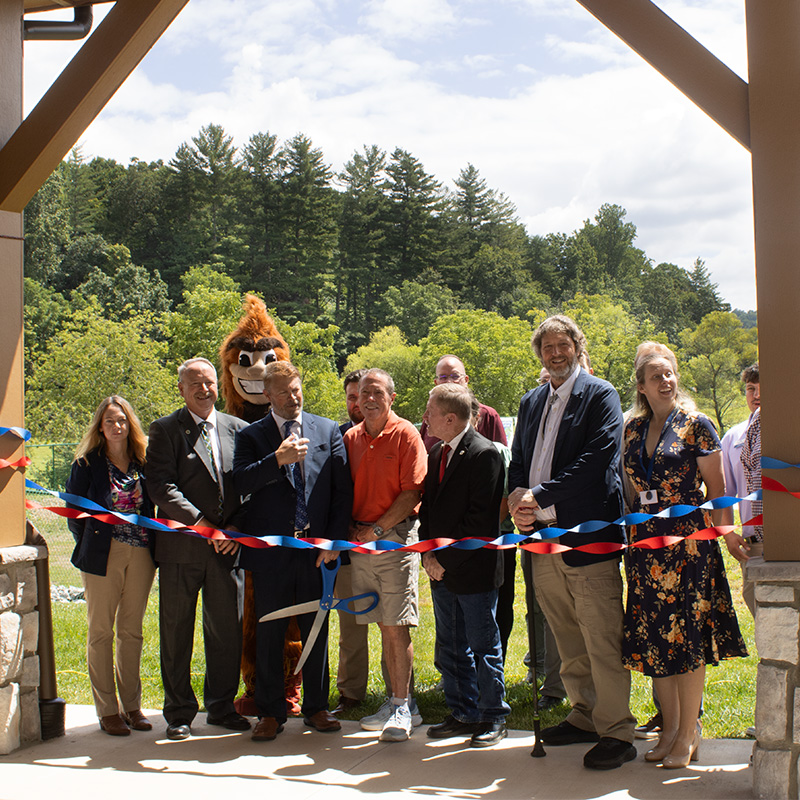
Today, the story in Hot Springs is increasingly one of progress. On September 15, 2026, town leaders, residents, state and federal partners, engineers, and contractors gathered for the Town of Hot Springs Helene Recovery Celebration, marking the completion of several major recovery projects and the opening of an improved wastewater treatment facility. The event included a ribbon cutting and a walking tour highlighting the community’s recovery and rebuilding efforts.
What began as an emergency response following the flooding has evolved into a broader modernization of Hot Springs’ water and wastewater systems. Helene floodwaters damaged critical infrastructure and took the Town’s wastewater treatment plant out of service. Temporary repairs allowed operations to resume while the Town and its partners developed a more permanent solution.
Restoring Wastewater Service
Among the most urgent needs following Helene was repairing the Town’s sewer infrastructure.
Along Spring Street, more than 500 feet of sewer line on the south side of Spring Creek was washed away. The flooding also severely damaged the Spring Creek sewer pump station and completely destroyed the retaining wall protecting the facility.
Within three weeks of the storm, Appalachian Sitework mobilized to begin emergency repairs. The work included installing a new 10-inch gravity sewer from the connection at Bridge Street, rebuilding the streambank, and constructing a new retaining wall along Spring Street to stabilize and protect the pump station. The project was funded through the Federal Emergency Management Agency (FEMA).
On the north side of Spring Creek, Helene also severely damaged the gravity sewer serving Hot Springs’ central business district, washing away multiple sections of the line. HNH Construction mobilized to replace the damaged infrastructure, including installation of a new aerial gravity sewer line supported on concrete piers beneath the NCDOT bridge at Bridge Street. By April 2025, approximately six months after Helene, sewer service had been restored.
For Hot Springs, restoring that line meant more than repairing infrastructure. It allowed businesses in the central business district to reopen and helped support the tourism economy that is so important to the community.
Protecting the Town’s Drinking Water
Helene also created a serious threat to Hot Springs’ drinking water system.
Floodwaters exposed a section of the Town’s water transmission line beneath the French Broad River. Because the line provides potable water to the majority of Hot Springs customers, the damage created the potential for a significant disruption to the community’s drinking water supply.
Hyatt Pipeline worked with the Town to install a new 10-inch high-density polyethylene water line beneath the French Broad River using directional drilling technology. The new line connects to the existing water system on both sides of the river, providing a more secure connection for the Town’s water supply.
The French Broad River water line was among the major recovery projects recognized during the September celebration, along with the Spring Creek sewer lift station and sewer line and renovations to Town Hall.
From Recovery to Resilience
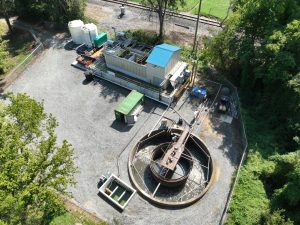
Perhaps the most visible symbol of the Town’s progress is its new wastewater treatment system.
Hot Springs purchased two IWS BluBox membrane package treatment units with a combined peak capacity of 150,000 gallons per day and an average combined flow capacity of 115,200 gallons per day. The improvements also include an intermediate equalization tank, aerated sludge holding tank, upgraded electrical and standby power systems, new piping, fencing, a new sewer outfall, and conversion of an existing treatment tank into a primary equalization basin. Duke Energy also provided upgraded three-phase electrical service.
The improvements represent an important shift from simply restoring what was lost to creating infrastructure that can better serve Hot Springs in the years ahead. “Today is a huge step in being able to serve citizens and visitors better so that we can eventually grow,” Mayor Abby Norton told residents during the September celebration.
The Town’s long-term plans go even further. The package treatment system provides flexibility because the equipment can eventually be relocated. Hot Springs is working toward moving the wastewater treatment facilities across the French Broad River to higher ground outside the floodplain, further reducing the community’s vulnerability to future flooding.
North Carolina Department of Environmental Quality Secretary Reid Wilson described the approach as “not just building back the way it was, but to build in a way that makes that system way more resilient in the future.”
A Community Moving Forward
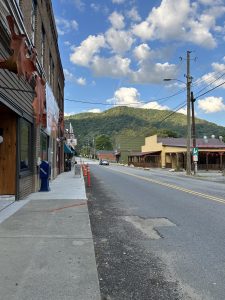
Recovering from a disaster on the scale of Helene is measured in years, not months. Even two years later, work continues throughout Hot Springs. But the milestones are significant.
Sewer service has been restored to downtown businesses. A critical drinking water connection beneath the French Broad River has been replaced. The Spring Creek pump station and sewer infrastructure have been repaired and stabilized. And a modernized wastewater treatment system is now operating as the Town prepares for its next phase of infrastructure improvements.
The September 15 celebration brought together the Town of Hot Springs, NCDEQ, FEMA, the Governor’s Recovery Office for Western North Carolina, the North Carolina Collaboratory, contractors, engineers, and other partners who have contributed to the recovery effort. Mayor Abby Norton spoke about the vulnerability and resilience of mountain communities and the important role collaboration has played in helping Hot Springs recover and plan for the future. Through the combined efforts of local, state, and federal partners, the Town is not only rebuilding damaged infrastructure, but also working to make its systems stronger, smarter, and more resilient for years to come.
For a community that experienced extraordinary destruction during Helene, these projects represent more than reconstructed pipes, treatment systems, and retaining walls. They represent the infrastructure that allows homes to be served, businesses to reopen, visitors to return, and a community to keep moving forward.
Two years after Helene, Hot Springs is still recovering — but it is also rebuilding with the future in mind.